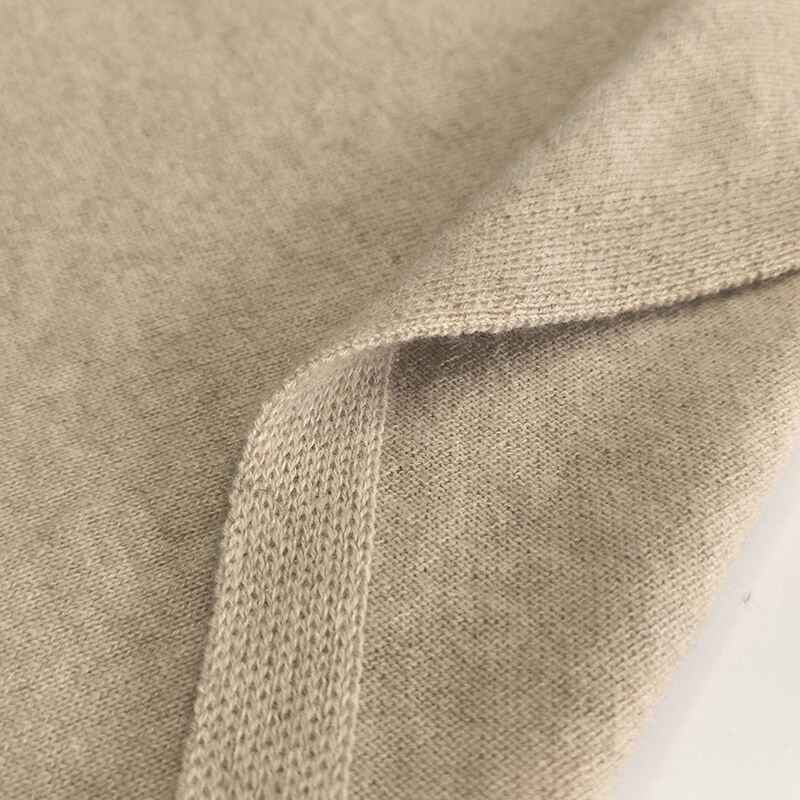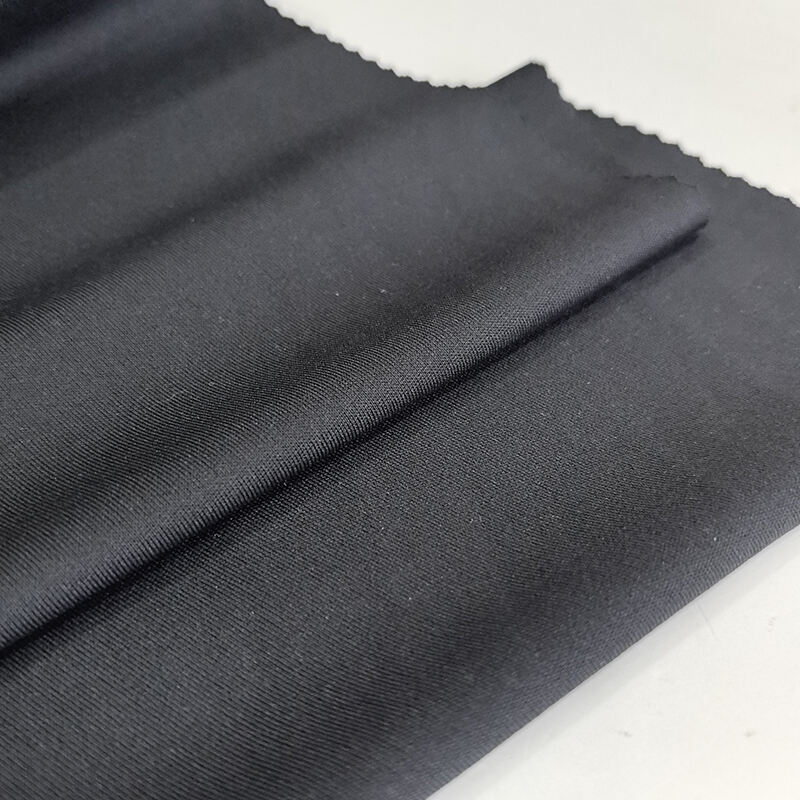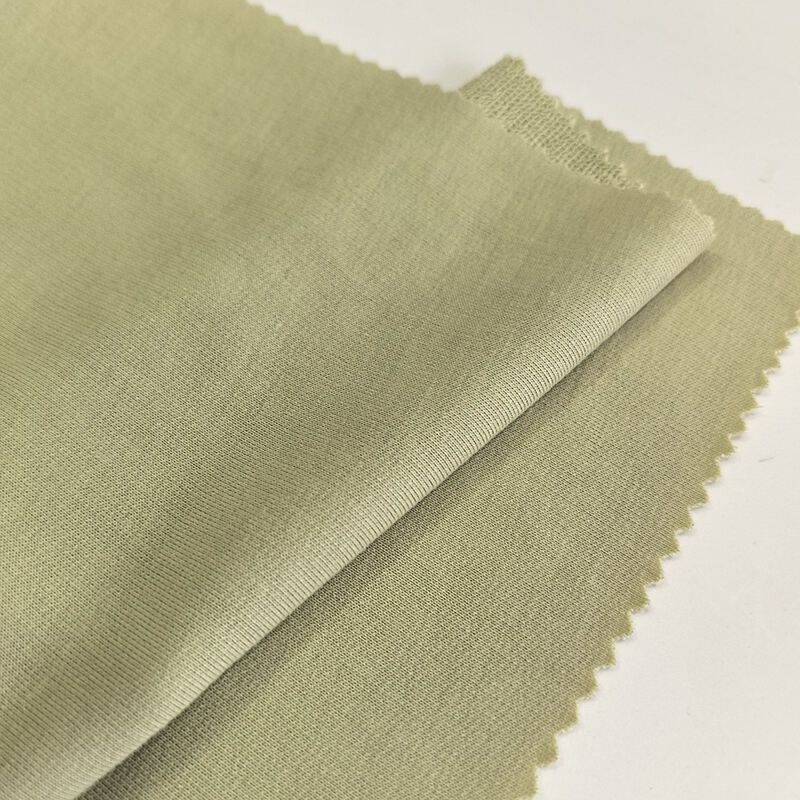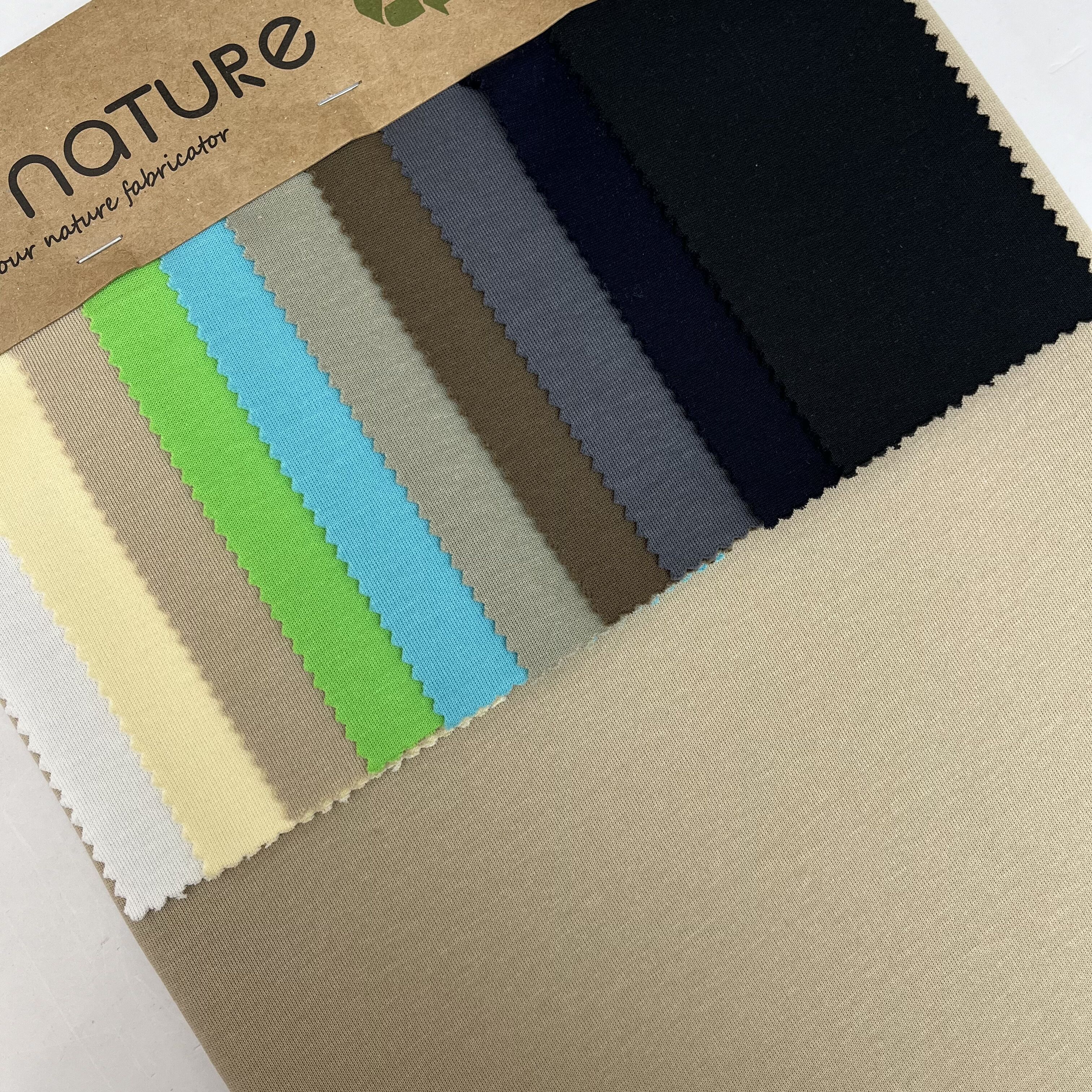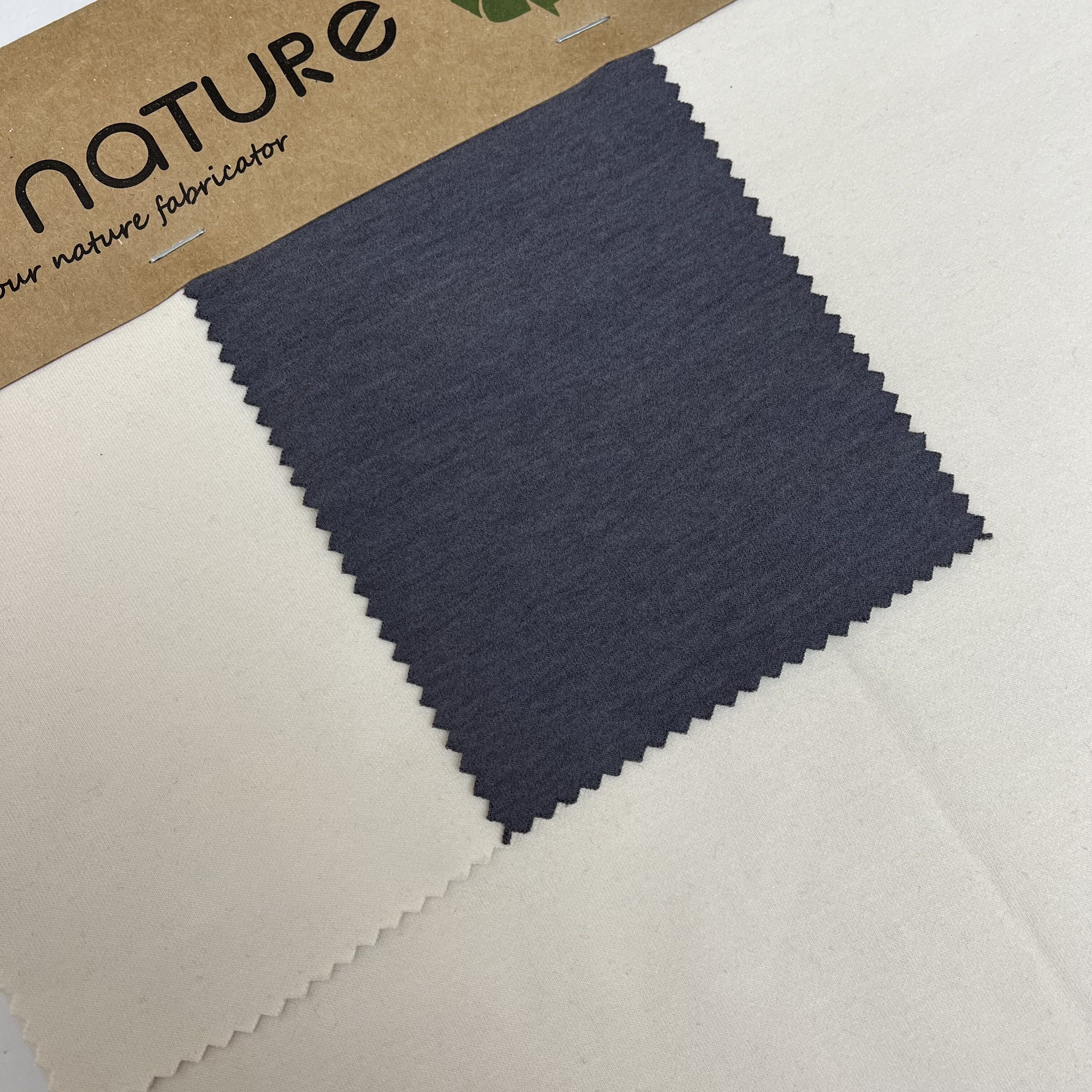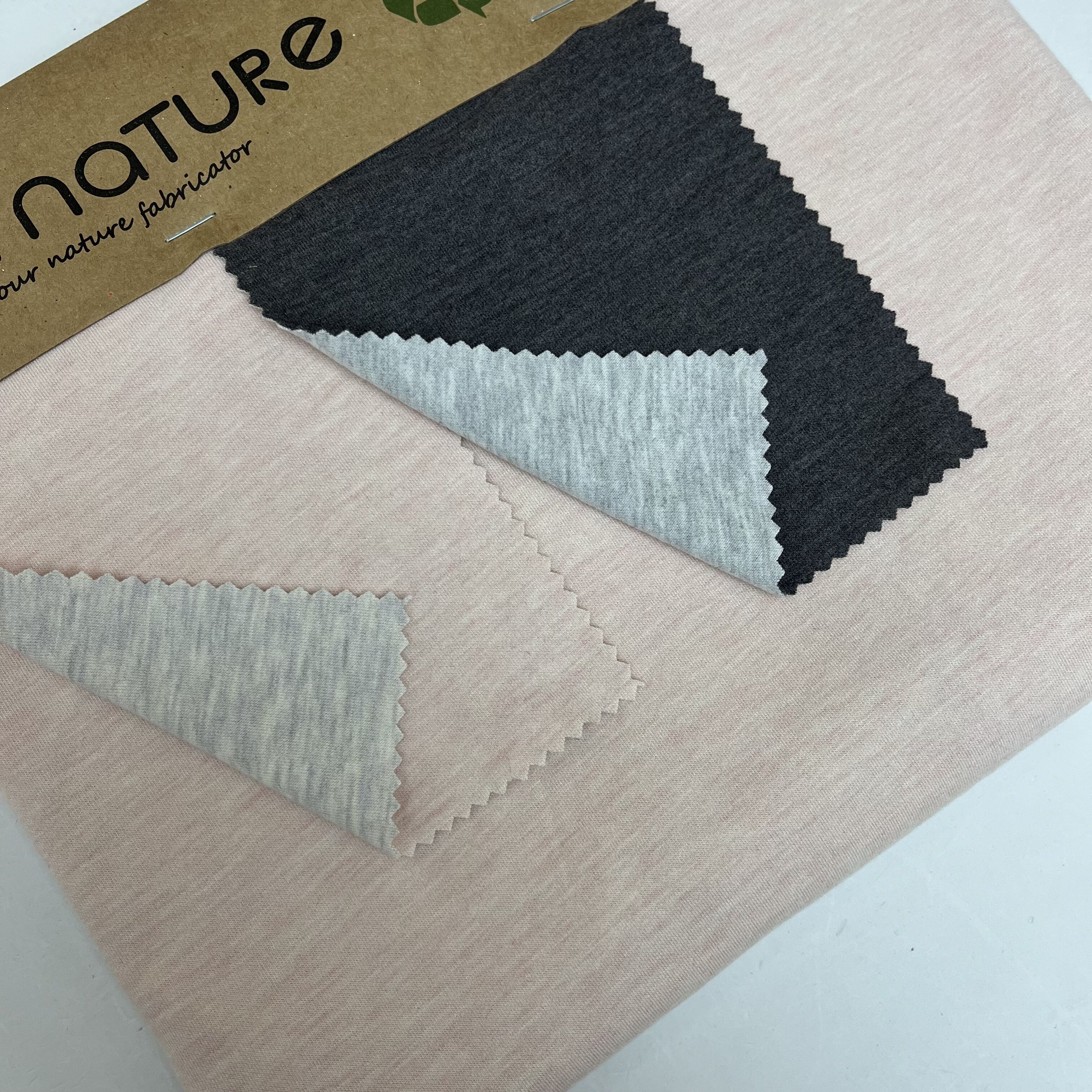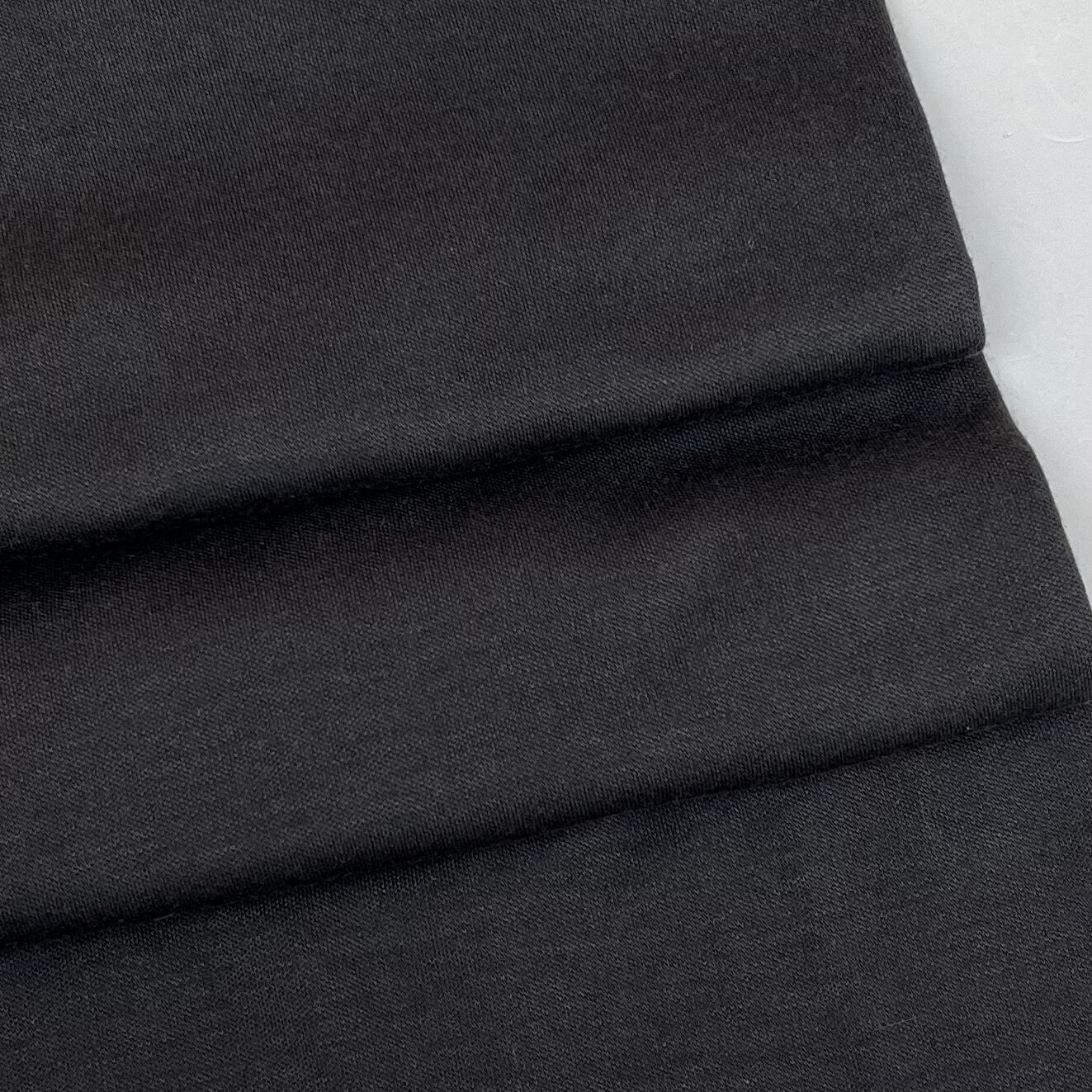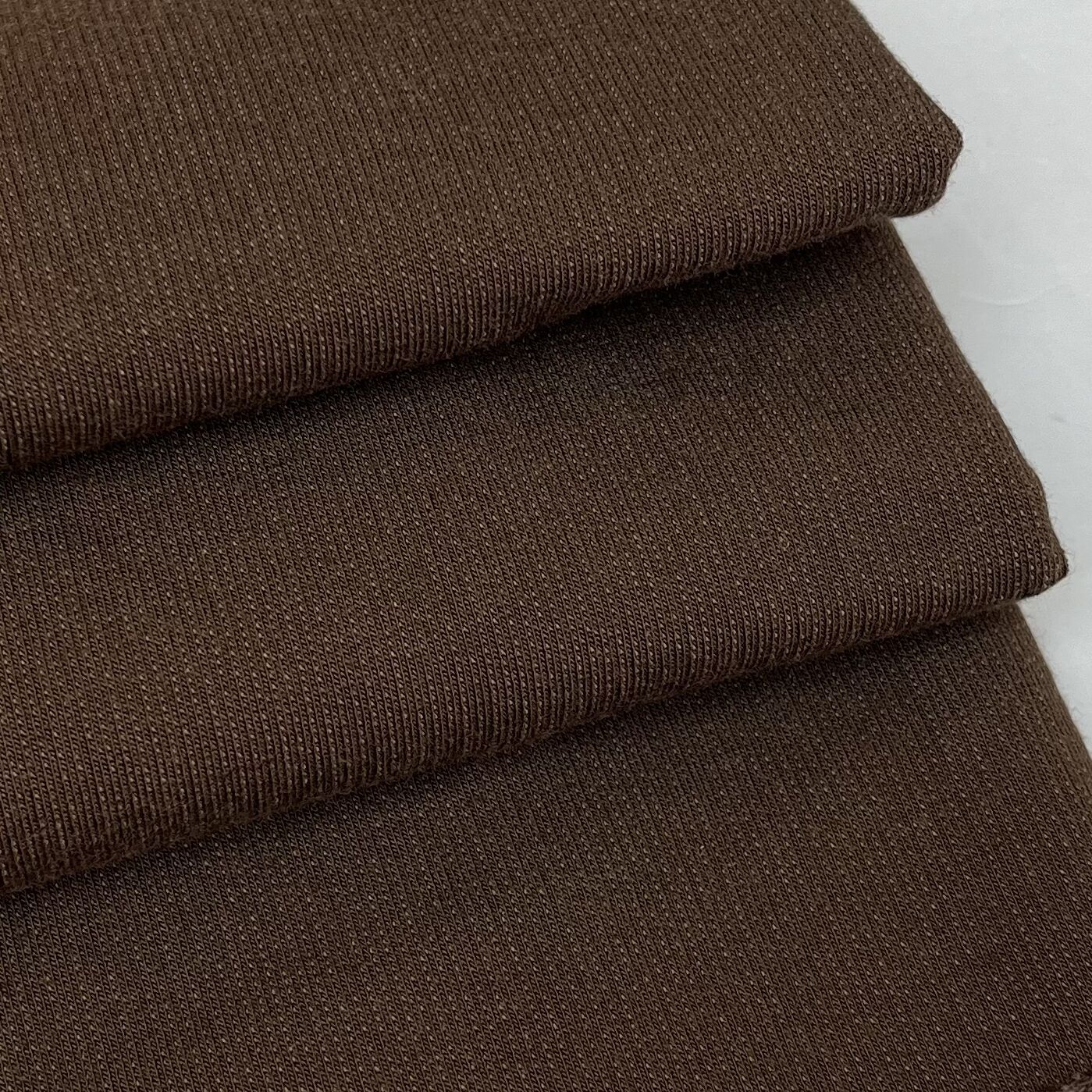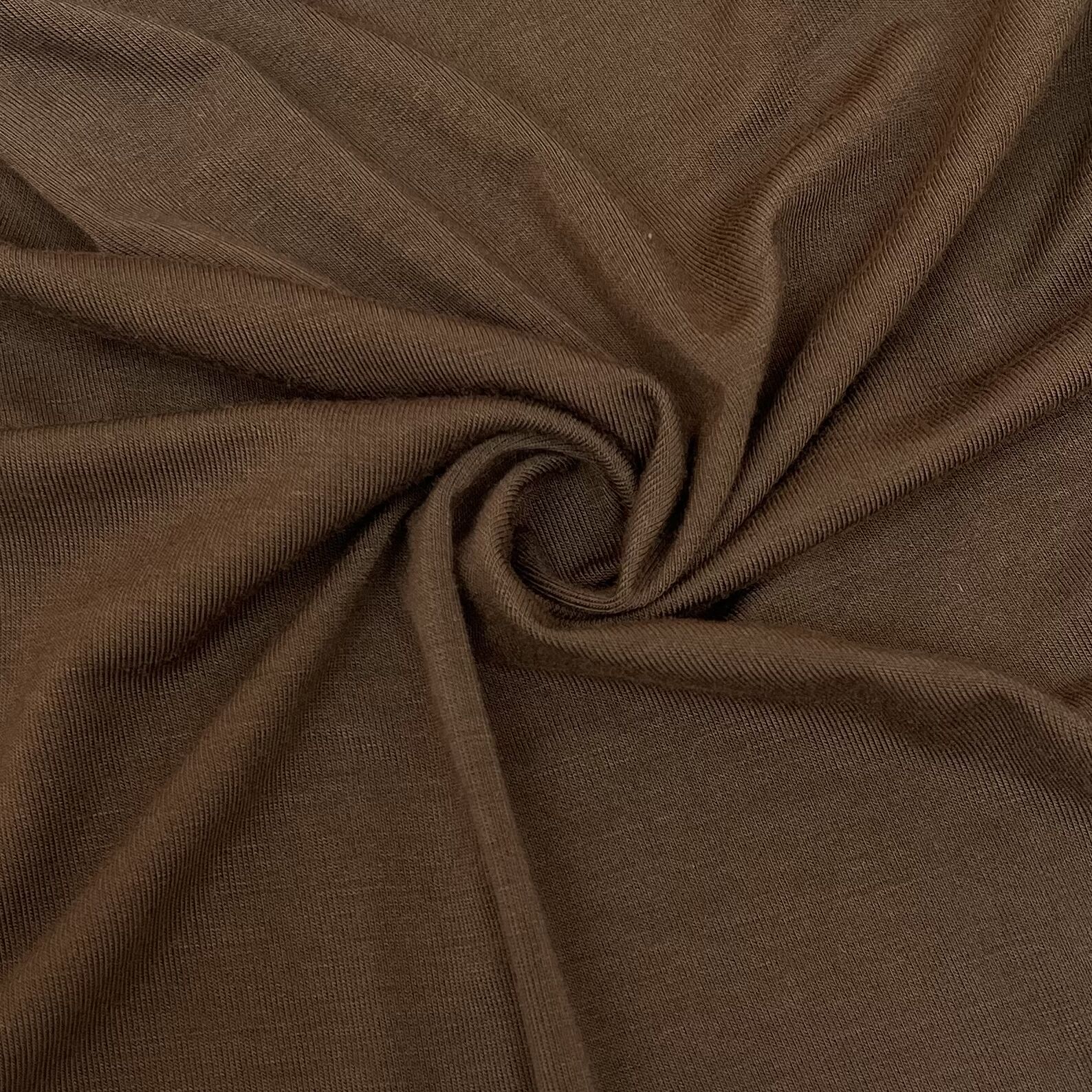
Recycled twill–have you ever heard of that? Well, it is a special kind of fabric that is produced from old materials and not from new. So instead of extracting raw materials from the ground, we can use items that would have otherwise been trash, and give them a new life. Recycled twill becoming very popular nowadays, as an increasing number of individuals want to save the planet and minimize waste. This article will cover the definition of a recycled fabric, how it is saving the fashion industry, its history, the benefits of using a recycled twill, and in the end, tell you why it is fundamentally needed by humans. + Bornature, an eco-friendly fashion Brand, joining us to share how to make better planet friendly choices.
Recycled twill is not a brand new type of material, but it has gained massive popularity over the last few decades. The popularity is also increasing because more people are beginning to realize how harmful fast fashion is to the environment. Fast fashion is inexpensive clothing produced rapidly by mass-market retailers in response to the latest trends; this results in tremendous waste and pollution each year. Using recycled twill can ensure that it has taken steps toward a better and sustainable future. The other reason behind the increase in recycled twill is that recycling technology has advanced significantly in the last few years. This means that more materials can now be reused and converted into high-quality fabrics. This production process allows for a wide variety of recycled twill in numerous colors, styles, and textures. This diversity makes it a great and trendy option for designers and consumers alike.
The fashion game is being changed in many exciting ways by fabric from recycled material. For one, it enables designers to create chic, utilitarian clothes without harming the planet. Recycled twill can be used to create all kinds of clothing: jackets, pants, skirts, bags... beating ripstop texture, ideal for day-to-day wear and outdoor adventures alike. You may also have recycled twill blended with other environmentally friendly textiles (including organic cotton, hemp, or Tencel) to enhance the fabric's performance and comfort. So clothes made from recycled twill can not only look great, but feel great too! Secondly, by using recycled twill, we take some of the pressure off of new resources such as petroleum, water, and land. These resources are sometimes over-exploited and can get depleted. The energy savings from using recycled twill can help to safeguard our natural resources, without the need for the damaging extraction and production processes traditionally required to create new materials. Finally, eco-friendly twill promotes sustainable consumerism and the companies who are environmentally conscious. By wearing clothing made from recycled twill, individuals can demonstrate a commitment to a cleaner and greener world.
Well, it all was eons ago...when the world start understanding reusing and repurposing materials. Twill is actually a weave that is woven in a manner that makes the fabric very strong and sturdy and it takes on a diagonal weave pattern. There are many different cultures and types of clothing and accessories made from this type of fabric for centuries. Recycled twill was developed in response to the increasing issues of waste and pollution rampant in the fashion industry. Companies gather used textiles — jeans, T-shirts, bed sheets — sort, shred, spin and weave them into new fabrics. This process not only helps minimize waste and emissions but also preserves precious resources. Key processes for making recycled twill include sorting, grading, cleaning, shredding, carding, spinning, weaving, dyeing and finishing the fabric. Every one of these steps demands considerable skill, specialized tools and know-how. In addition to this, the final product also has to pass rigorous quality standards to ensure the final product is safe and durable for consumers.
Reduces waste: Recycled twill offers companies the ability to divert old textiles from landfills or incineration. This prevents harmful toxins and greenhouse gases from being released in the environment. Instead, they can transform waste into a resource, reducing their environmental footprint.
Saves resources: The use of recycled twill by companies takes away the need for water, oil, land, and other several resources required to generate new materials. Recycling generally requires less energy than extracting and refining new materials, resulting in lower carbon emissions during manufacturing.
Enhances brand image: Brands that opt for recycled twill can differentiate themselves from rivals. This factors into consumers’ decisions who are concerned about the environment and social justice. These businesses can also build stronger relationships with their customers by communicating their sustainability efforts and values.
 EN
EN